The Way Software Gets Built Has Changed Forever in 2026
For decades, software development meant writing precise instructions in code, line by line, syntax by syntax. That era is ending.
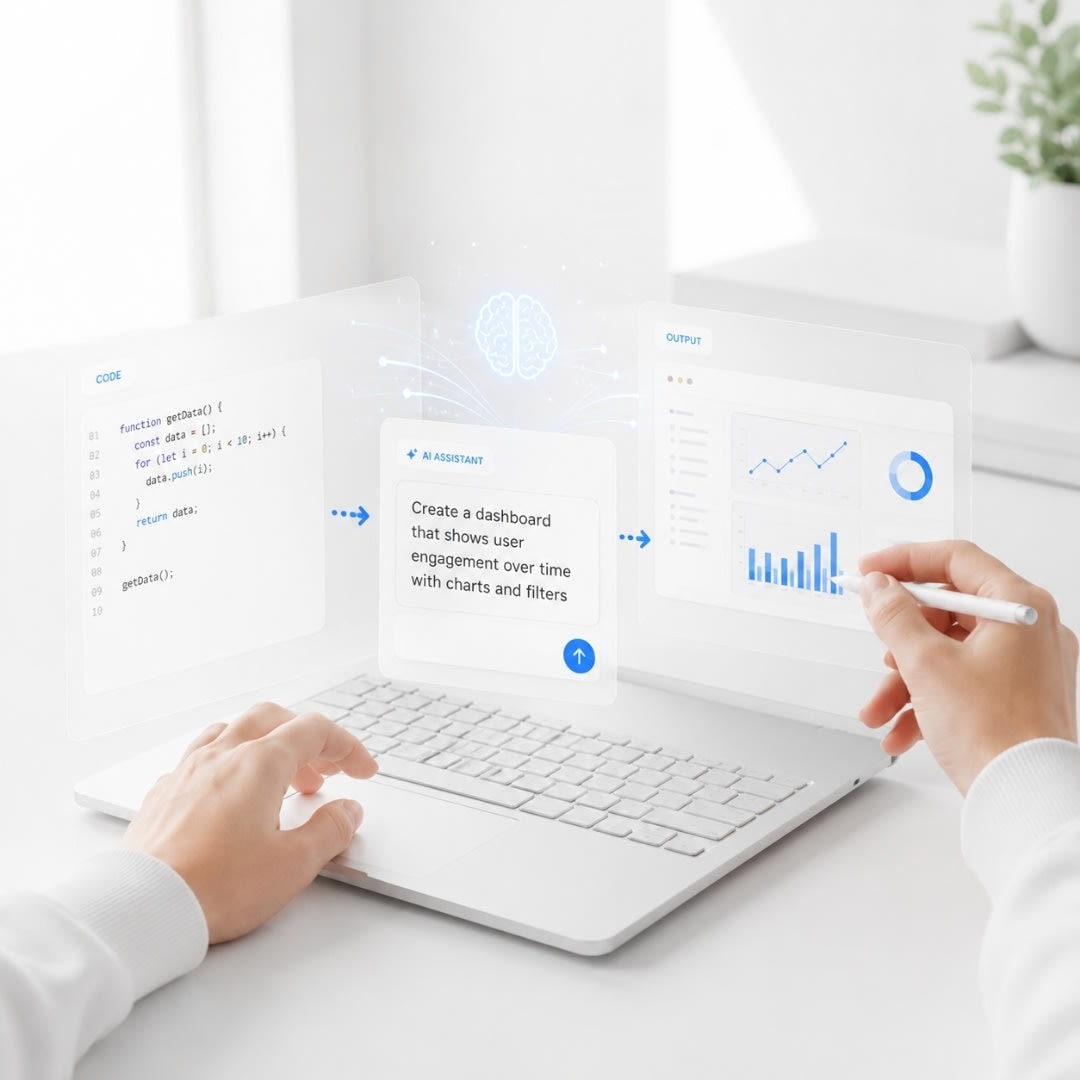
In 2026, developers are no longer telling machines how to build something. They are telling machines what they want. AI handles the rest.
Capgemini's TechnoVision 2026 identifies this shift from writing code to expressing intent as one of the defining technology trends of the year. Businesses that understand this shift will build faster, leaner, and smarter than any competitor still working the old way.
What the Numbers Say in 2026
The data confirms this is not a trend. It is a transformation already underway:
- 60% of new code will be AI-generated by end of 2026 — Gartner
- 51% of all GitHub code commits in early 2026 were AI-generated or AI-assisted
- 84% of developers are actively using or planning to adopt AI coding tools
- AI coding tools market has reached $12.8 billion in 2026 up from $5.1 billion in 2024
- Development teams delivering results with just 30% of traditional team sizes using intent-driven methods
What Intent-Driven Development Actually Means
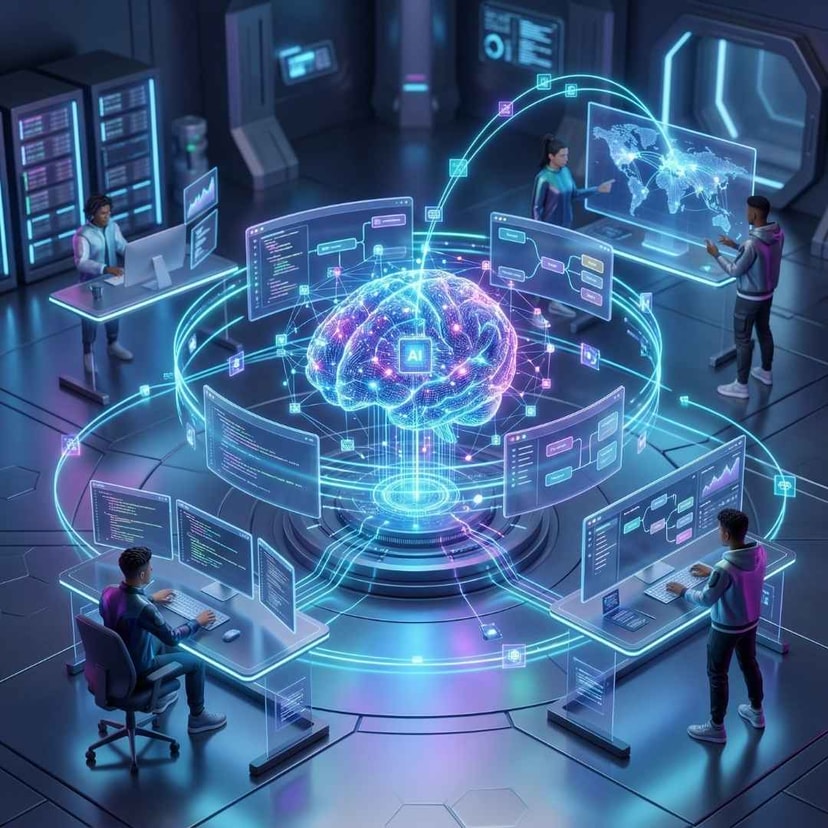
Intent-Driven Development is simple in concept but powerful in practice. Developers describe what needs to be built and AI generates, tests, and deploys it:
- Express intent — Describe what needs to be built in plain language or structured specifications
- AI generates — Writes functions, APIs, tests, and documentation automatically
- Human reviews — Validates quality, security, and alignment with business goals
- AI deploys — Manages releases and monitors performance in real time
In an AI-accelerated environment, the quality of your specification determines the quality of your output. Not your velocity. Not your team size. Your clarity of intent.
How Development Teams Look Different in 2026
The shift to intent-driven development has fundamentally changed how software development teams are structured and what they focus on:
Before AI:
- Large teams focused on manual execution
- Most time spent writing repetitive boilerplate code
- Weeks to ship a single feature
After AI in 2026:
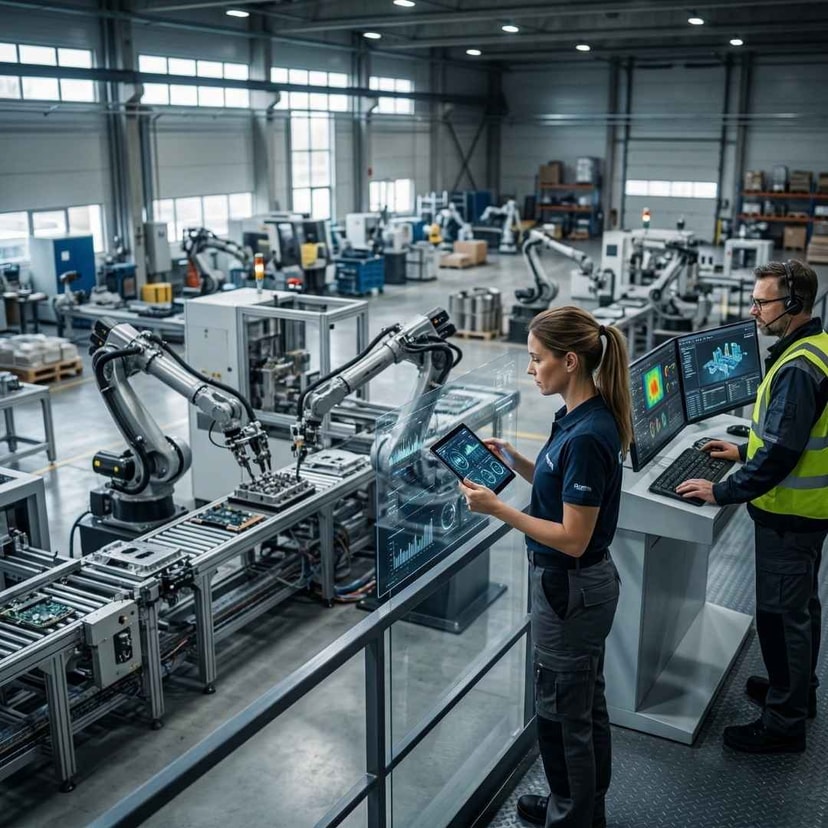
✅ Smaller, leaner teams focused on product judgment and architecture
✅ AI handles repetitive implementation while humans make strategic decisions
✅ Features that took weeks now ship in days
✅ New role emerging — Intent Engineers who bridge business needs and AI execution
What This Means for Businesses in 2026
If you are outsourcing software development or evaluating a development partner this year, this shift changes what you should look for:
- Teams billing purely for manual coding hours are working with yesterday's model
- The right partner uses AI to deliver more output in less time at lower cost
- Speed is no longer limited by team size, it is limited by clarity of intent
- Human oversight, security review, and architectural judgment remain non-negotiable
- AI amplifies what is already there, choosing the right dedicated development team matters more than ever
Risks Every Business Must Know
Intent-driven development is powerful but comes with real risks if not managed correctly:
- Silent technical debt — AI-generated code accepted without review creates hidden problems
- Security gaps — AI generates code fast but security review must keep pace
- Vague intent = poor output — The quality of what AI builds depends entirely on how clearly the requirement is defined
- Over-reliance — Human judgment is still essential for compliance, architecture, and edge cases