Overview
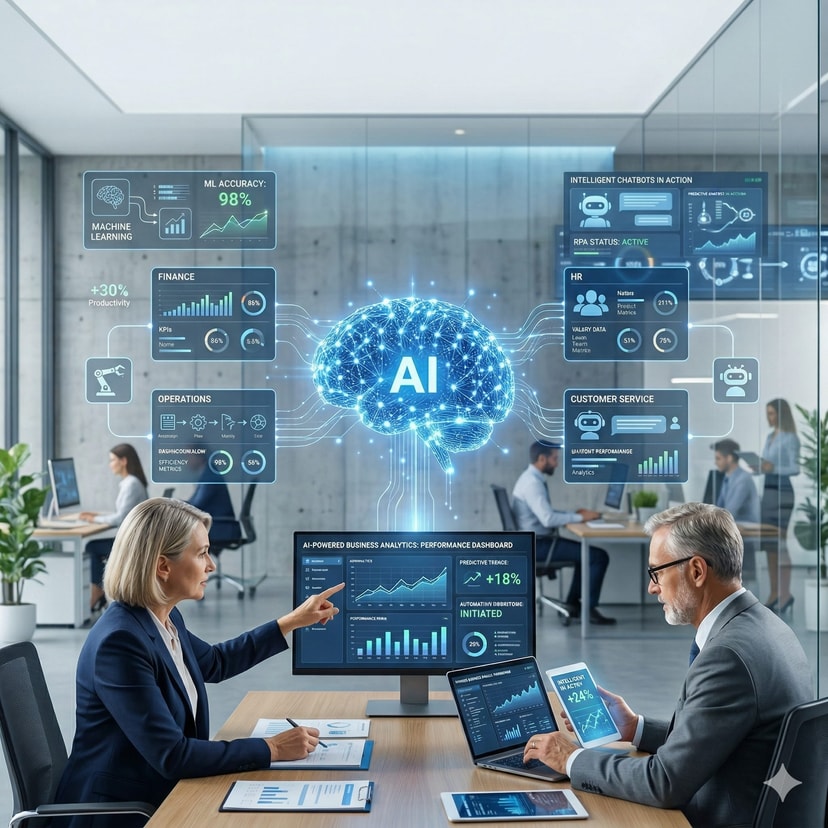
The industrial world is undergoing a transformation with so many new technologies like artificial intelligence and machine learning. This has led to the birth of a new concept, which is that of smart factories. Production facilities, as a result, have much more digitized and deeply interconnected, which means that they are now more efficient and also more agile. AI and machine learning have played a huge role here, which means that there is now a new era of industrial efficiency that has come about.
What Is a Smart Factory?
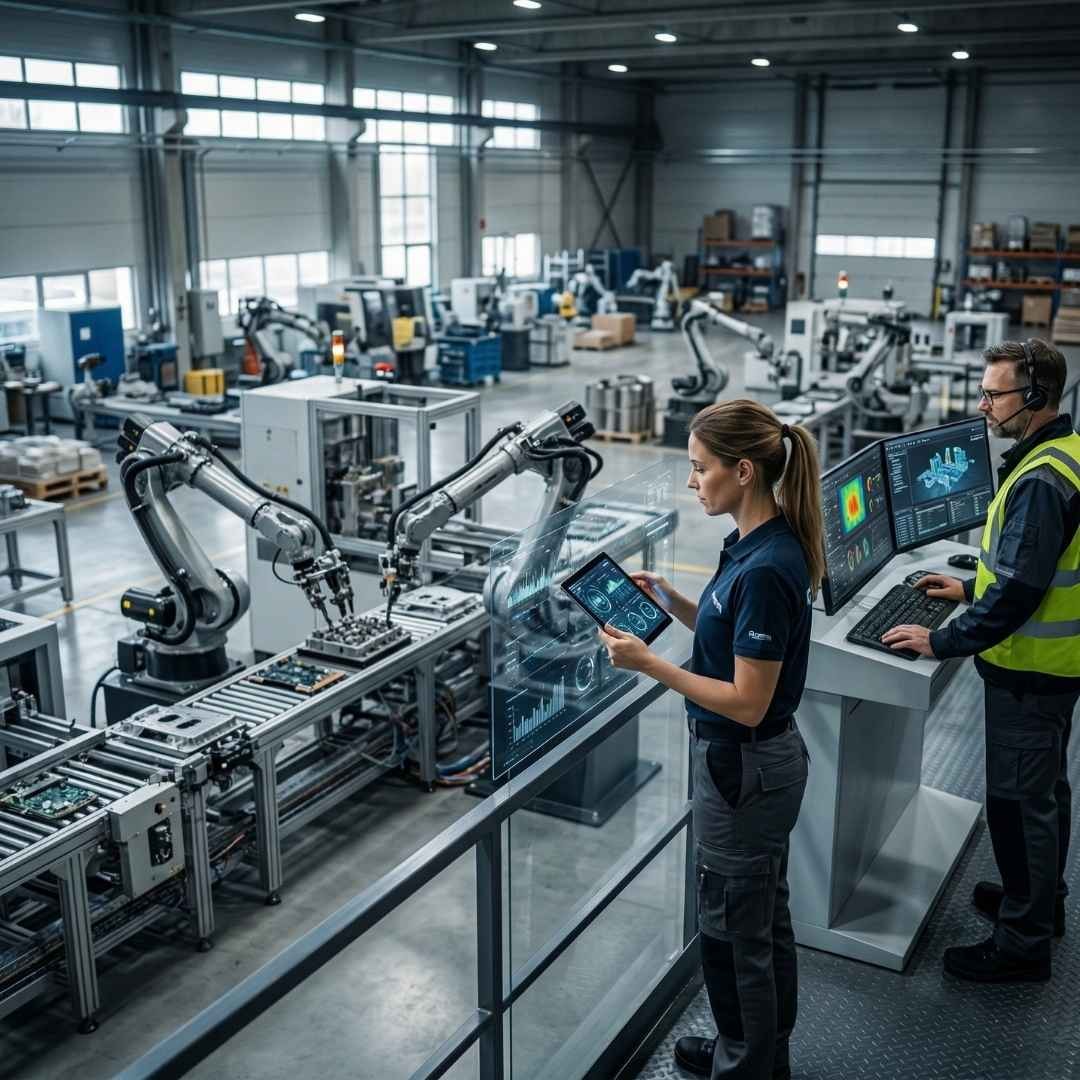
A smart factory is a facility with decentralised decision-making and cyber-physical systems that keep an eye on the factory's physical operations. Smart factories gather and evaluate real-time data using a network of sensors, equipment, and software to anticipate maintenance requirements, optimise operations, and even automate decision-making. A dynamic, self-adjusting environment that minimises waste, decreases downtime, and increases production is the end result.
The Role of AI and Machine Learning
Artificial intelligence has allowed machines to work in a great way. Machine learning on the other hand allows systems to learn from data and become trained like that, without the need for them to be programmed in that way. In a smart factory, things happen in a great way in the sense that huge volumes of data are used and from that, insights come about which can actually be very helpful, allowing for smarter and much faster decisions too.
Here are some key ways in which industrial operations are being transformed:
Predictive Maintenance
In earlier days, machines were maintained at regular intervals or repaired after they broke down. Both approaches worked at that time, but they weren't as efficient, and were very costly as well. Not things have changed. Companies do not have that kind of time. They cannot afford machine downtimes and even unexpected failures, which makes it all the more important to work through this well. Machine learning algorithms are as such that they take data from sensors and past maintenance logs so that they can detect any signs of wear and tear. This allows them to service equipment exactly when needed, which helps extend the lifetime of the machine. This can be very useful for companies because they can get what they want at the desired time they want it at.
Quality Control and Defect Detection
AI also largely helps detect any defects very early on. This means that companies can take action when needed. They don't have to wat it out at all, which allows them to ensure consistent quality and also allows them to reduce waste at the maximum. Over time, this becomes even better, which means that the whole process becomes even more accurate.
Supply Chain Optimization
The intelligence of smart factories is not limited to the manufacturing floor. To optimise the entire supply chain, AI and ML may examine supplier performance, demand patterns, and inventory levels. More precise forecasting, real-time production plan adjustments, and a reduction in overproduction or stockouts allow manufacturers to greatly improve operational efficiency.
Energy Efficiency
By monitoring energy consumption and learning more about usage patterns, AI systems can work in a way that they identify what areas are inefficient. Not just that, but they also suggest actions that can help with corrective measures. Whether it's optimizing the heat or machine operations, smart factories can do this in the best way and can also cut energy costs largely.
Autonomous Operations
In smart factories, AI is not only about supporting human decisions but also making decisions itself. The entire process has become so much smoother, that this happens in the best way possible. AI systems have the ability to allocate tasks to robots ad even adjust assembly line speeds in the best way. This automation level is great and allows factories to become so much more flexible than they were.
While there are certain challenges like upfront investment and integration with legacy systems, these can be handled well. Apart from that, it is also very important to ensure that AI is used ethically whenever it is used, because it tends to create huge issues otherwise, which hamper effective decision making in all ways.
Way Forward
The smart factory is a window into the manufacturing of the future, not just a trendy term. The potential of AI and machine learning technologies in the industrial sector will only advance as they develop further. The potential for change is enormous, ranging from promoting ecological practices to enabling completely autonomous production lines.