Overview
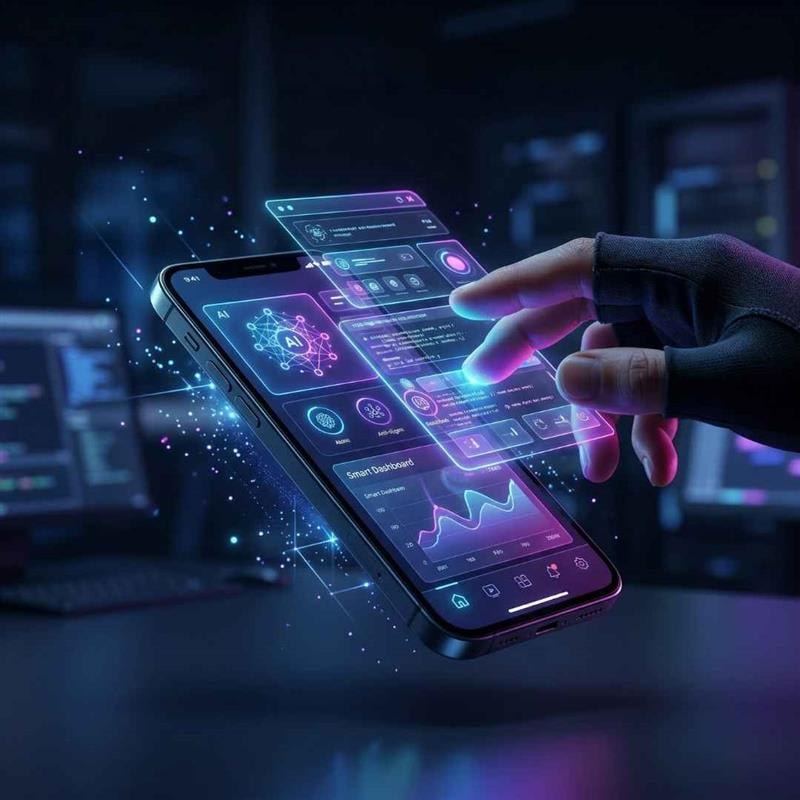
In today's fast-paced digital landscape, mobile app development continues to evolve at an unprecedented rate. As businesses strive to stay competitive and meet ever-changing user expectations, understanding the latest trends in mobile app development becomes crucial for success.
This comprehensive guide explores the emerging trends that are shaping the future of mobile app development, providing expert insights to help you stay ahead of the curve.
1. Artificial Intelligence and Machine Learning Integration
AI and ML are revolutionizing mobile app development by enabling personalized user experiences, predictive analytics, and intelligent automation. From chatbots and virtual assistants to image recognition and recommendation engines, AI-powered features are becoming standard in modern mobile applications.
Developers are increasingly leveraging machine learning frameworks like TensorFlow Lite and Core ML to create smarter, more responsive apps that learn from user behavior and adapt accordingly.
2. Cross-Platform Development Frameworks
The demand for faster development cycles and reduced costs has led to the rise of cross-platform frameworks like Flutter, React Native, and Xamarin. These frameworks allow developers to write code once and deploy across multiple platforms, significantly reducing development time and resources.
Flutter, in particular, has gained massive popularity due to its excellent performance, beautiful UI components, and strong community support.
3. Internet of Things (IoT) Integration
Mobile apps are increasingly becoming the central hub for IoT devices, enabling users to control smart homes, wearables, and connected appliances from their smartphones. This trend is driving the development of apps that can seamlessly integrate with various IoT ecosystems.
Developers are focusing on creating intuitive interfaces and reliable connectivity solutions to manage the growing complexity of IoT networks.
4. Augmented Reality (AR) and Virtual Reality (VR)
AR and VR technologies are transforming mobile app experiences across industries, from gaming and entertainment to retail and education. ARKit for iOS and ARCore for Android have made it easier for developers to create immersive AR experiences.
The integration of AR/VR in mobile apps is particularly prominent in e-commerce, where customers can visualize products in their real environment before making purchases.
5. 5G Technology and Edge Computing
The rollout of 5G networks is enabling faster data transfer speeds and lower latency, opening new possibilities for mobile app development. This technology is particularly beneficial for apps requiring real-time data processing, such as gaming, streaming, and IoT applications.
Edge computing is complementing 5G by bringing computation closer to the data source, reducing latency and improving app performance.
6. Progressive Web Apps (PWAs)
PWAs are blurring the lines between web and mobile applications, offering app-like experiences through web browsers. They provide offline functionality, push notifications, and native app features without requiring app store downloads.
This trend is particularly appealing to businesses looking to reach users across different platforms while maintaining a consistent user experience.
7. Voice User Interface (VUI) and Conversational AI
Voice-activated features and conversational AI are becoming increasingly important in mobile app development. Users expect to interact with apps using natural language, making voice interfaces a key differentiator for modern applications.
Integration with virtual assistants like Siri, Google Assistant, and Alexa is becoming standard practice for many mobile apps.
8. Enhanced Security and Privacy Features
With growing concerns about data privacy and security, mobile app developers are implementing advanced security measures including biometric authentication, end-to-end encryption, and zero-trust architecture.
Compliance with regulations like GDPR and CCPA is driving the adoption of privacy-by-design principles in mobile app development.
9. Microservices and Cloud-Native Architecture
Mobile apps are increasingly adopting microservices architecture and cloud-native development practices. This approach enables better scalability, faster deployment, and improved maintainability of mobile applications.
Cloud platforms like AWS, Google Cloud, and Azure are providing robust infrastructure for mobile app backend services.
10. Low-Code and No-Code Development
The rise of low-code and no-code platforms is democratizing mobile app development, allowing non-technical users to create functional applications. These platforms are particularly useful for rapid prototyping and simple app development.
While they may not replace traditional development for complex applications, they're becoming valuable tools for businesses looking to quickly test ideas and create simple solutions.
Conclusion
The mobile app development landscape is continuously evolving, driven by technological advancements and changing user expectations. Staying informed about these emerging trends is crucial for developers and businesses looking to create successful mobile applications.
By embracing these trends and incorporating them strategically into your development process, you can create innovative, user-friendly, and competitive mobile applications that meet the demands of today's digital world.
How Can TPLEX Help?
At TPLEX, we stay at the forefront of mobile app development trends and technologies. Our expert team can help you leverage these emerging trends to create cutting-edge mobile applications that drive business success. Contact us today to discuss your mobile app development needs and discover how we can help you stay ahead of the competition.