Top Cloud Engineering and DevOps Practices for Scalable Business Applications
In today’s fast-moving digital world, businesses require scalable, secure, and efficient applications. Cloud engineering combined with DevOps practices ensures that your infrastructure and application deployment can handle growth while remaining resilient and optimized.
Implementing cloud engineering best practices and modern DevOps methodologies allows companies to reduce downtime, improve release cycles, and enhance collaboration between development and operations teams.
For businesses seeking expert guidance, TPLEX provides Cloud Engineering & DevOps services to build robust, scalable, and automated business applications.
What is Cloud Engineering and DevOps?
Cloud engineering involves designing, building, and managing cloud infrastructure that supports applications and services efficiently. It includes architecture planning, resource optimization, and cloud security.
DevOps is a methodology that emphasizes collaboration between development and operations teams. It uses practices like continuous integration (CI), continuous delivery/deployment (CD), and automation to deliver software faster and reliably.
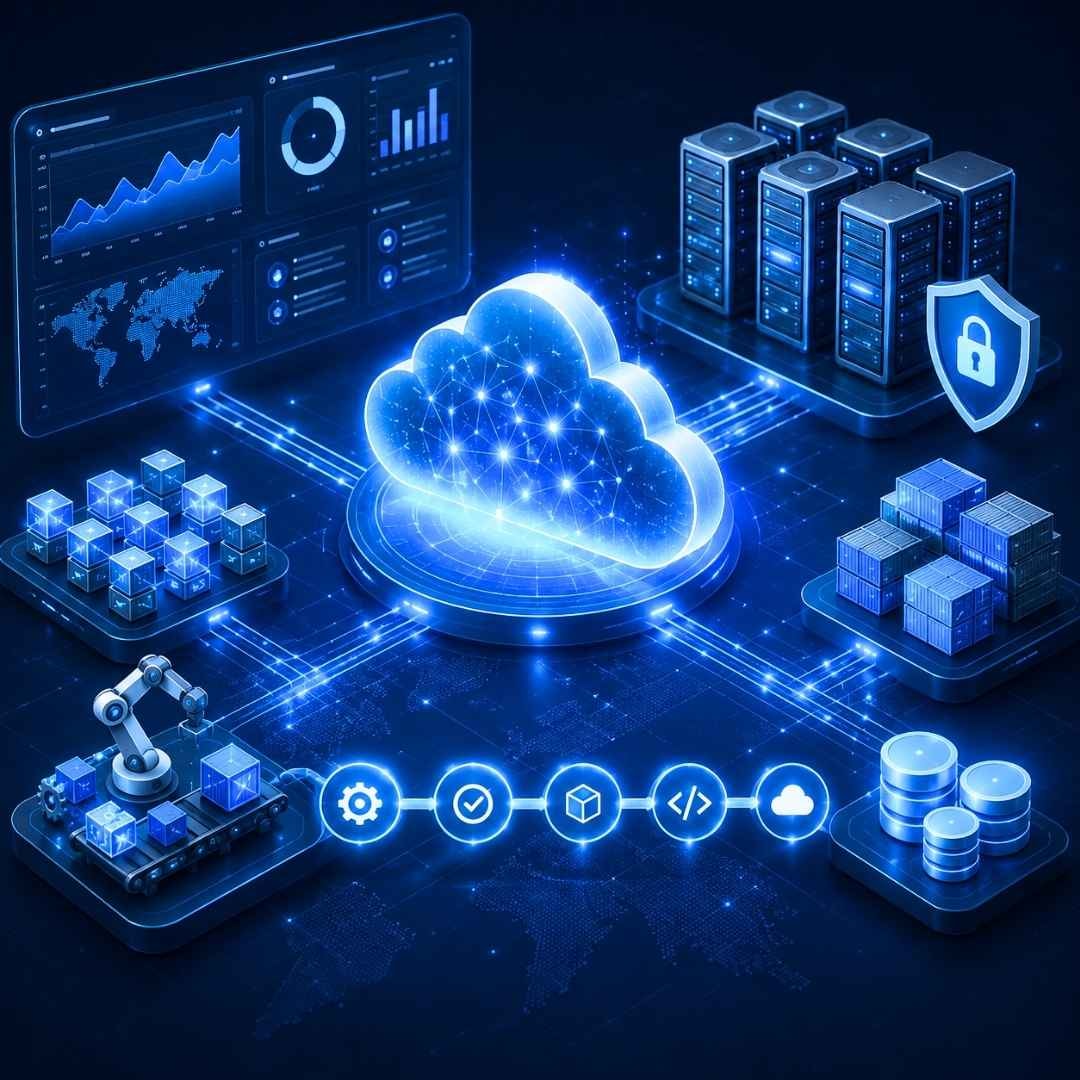
When combined, cloud engineering and DevOps help businesses create scalable applications with automated pipelines, robust monitoring, and faster release cycles.
Best Practices for Cloud Engineering
Scalable Cloud Architecture
Design applications that can automatically scale based on user demand. Use microservices architecture and containerized deployments.
Design applications that can automatically scale based on user demand. Use microservices architecture and containerized deployments.
Cloud Security
Implement strong access control, encryption, and compliance standards to protect sensitive business and customer data.
Implement strong access control, encryption, and compliance standards to protect sensitive business and customer data.
Automation and IaC (Infrastructure as Code)
Use tools like Terraform or CloudFormation to automate infrastructure provisioning and reduce manual errors.
Use tools like Terraform or CloudFormation to automate infrastructure provisioning and reduce manual errors.
Monitoring and Optimization
Continuously monitor cloud resources, application performance, and cost efficiency to optimize infrastructure.
Continuously monitor cloud resources, application performance, and cost efficiency to optimize infrastructure.
Best Practices for DevOps
CI/CD Pipelines
Automate build, test, and deployment processes to ensure faster and safer software releases.
Automate build, test, and deployment processes to ensure faster and safer software releases.
Version Control
Use Git and repository branching strategies to manage code changes and collaboration effectively.
Use Git and repository branching strategies to manage code changes and collaboration effectively.
Testing and Quality Assurance
Integrate automated tests and code reviews in your pipelines to maintain high-quality releases.
Integrate automated tests and code reviews in your pipelines to maintain high-quality releases.
Collaboration and Communication
Encourage cross-team communication using collaboration tools and DevOps dashboards for transparency.
Encourage cross-team communication using collaboration tools and DevOps dashboards for transparency.
Integrating Cloud and DevOps for Business Applications
Combining cloud engineering and DevOps ensures faster delivery of business-critical applications with reliability and scalability.
- Automate deployment pipelines in the cloud.
- Ensure resource efficiency with cost-aware scaling.
- Use monitoring tools for proactive issue detection.
For businesses looking to implement these practices, TPLEX Cloud & DevOps Services provide expert consulting, infrastructure optimization, and managed cloud engineering solutions to streamline application delivery and infrastructure management.
With the right approach, cloud and DevOps integration can become a practical business tool for operational efficiency and growth.
Challenges to Consider
- Complex Cloud Configurations: Improper setup can lead to inefficiency or downtime.
- Toolchain Selection: Choosing the right DevOps tools for CI/CD, monitoring, and automation is critical.
- Security & Compliance: Cloud applications must comply with data protection and industry regulations.
- Team Training: Teams must be trained on cloud platforms, DevOps workflows, and automation tools.
Conclusion
Implementing cloud engineering and DevOps best practices is essential for businesses looking to deliver scalable, secure, and efficient applications. Automation, CI/CD pipelines, monitoring, and collaboration accelerate development while reducing errors and operational costs.
Partnering with TPLEX Cloud & DevOps Services ensures your business applications are optimized, scalable, and aligned with modern technology standards.